Image restoration
DeblurGAN helps prepare photographs affected by blur for subsequent recognition.
A multimodal shopping-assistance prototype for people with low vision. Restoring an image is not an end in itself: the goal is to make everyday product information easier to understand and access.
BEng thesis / Ritsumeikan University / 2025
DeblurGAN · Vision-language models · Speech interaction
Real images from the project repository
Drag directly on the image (or use the slider and buttons) to compare image clarity. This is a visual comparison, not a numerical quality or recognition benchmark.
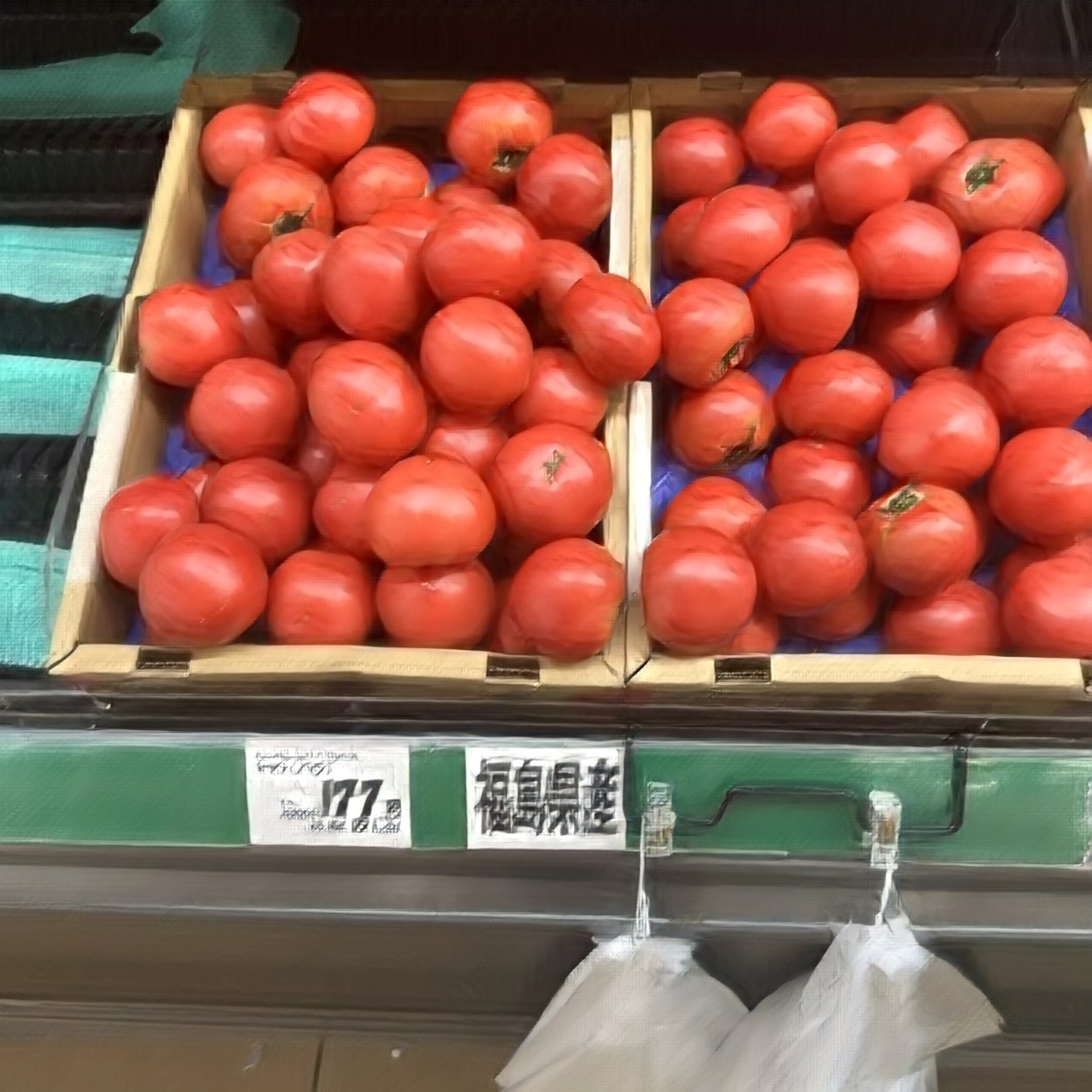
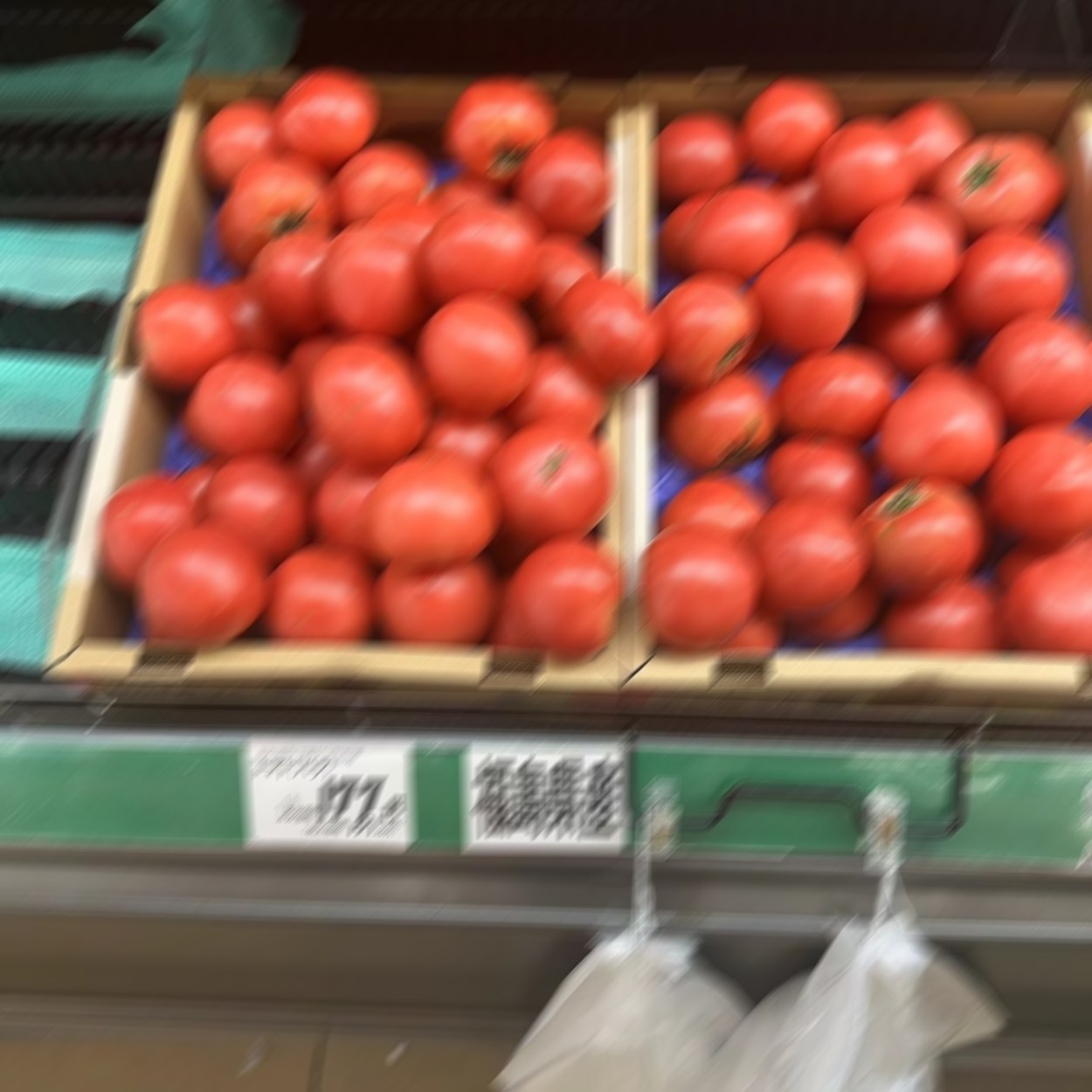 BLURREDRESTORED
Set 01: thesis repository DeblurGAN images. Set 02: original flower-shop photograph supplied by the author.
One of the thesis's important design questions was that a user with low vision might not know whether an image is sufficiently sharp to support visual understanding. The system therefore integrates image restoration before visual description and speech interaction.
DeblurGAN helps prepare photographs affected by blur for subsequent recognition.
The enhanced image and question are supplied to the visual understanding system.
Audio output and spoken follow-up enable an alternative to visual reading.
This is an explanatory flow based on the project architecture; there is no live inference or external user-data processing on this webpage.
Code & thesis ↗Individual bachelor’s thesis, Ritsumeikan University, January 2025. I framed the shopping-information problem, prepared paired image data, integrated the restoration, vision-language and speech components, and evaluated image quality and description overlap.
The initial concept assumed that users could provide a usable photograph. I recognised that I could judge blur and retake a photo because I could see it, while the intended users might not be able to do so. This motivated investigating restoration before visual interpretation.
| Measure | Blurred input | Restored input |
|---|---|---|
| SSIM ↑ | 0.45 | 0.87 |
| PSNR, dB ↑ | 18.2 | 26.5 |
| BLEU ↑ | 0.75 | 0.90 |
SSIM and PSNR measure image similarity. BLEU measures overlap with reference descriptions, not factual correctness or usability. The study evaluates restoration and generated descriptions under controlled conditions; it does not establish benefits in real shopping with low-vision users.
Evaluation details and limitations ↗